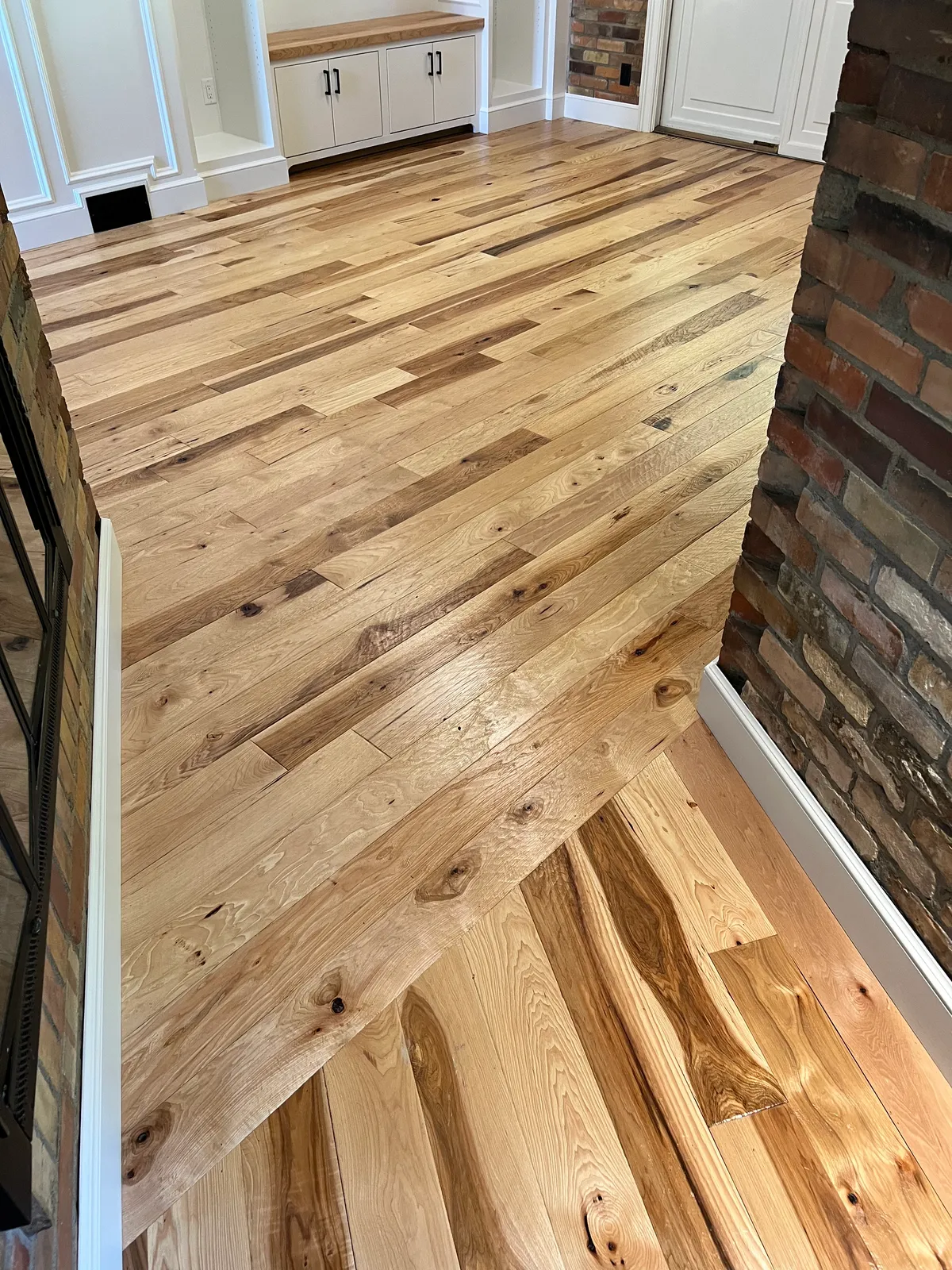
Flooring guide for Springville homes
This is a practical, no-fluff guide for Springville homeowners choosing floors for older craftsman bungalows, mid-century ranchers, and the newer builds off the east bench and Hobble Creek. If you want real-world picks that hold up to Utah County weather, respect historic detail, and install cleanly — start here.
Springville at a glance
Springville (Art City) mixes downtown character with fast-growing subdivisions. That creates two clear needs:
- Preserve and complement original trim and built-ins in the older neighborhoods around Main Street.
- Replace builder-grade carpet and cheap flooring in newer developments with durable, low-maintenance options.
We also cover nearby Mapleton — same decisions, same climate. This guide focuses on the three most common, practical choices for Springville homes: engineered hardwood, laminate (waterproof when appropriate), and a hybrid approach that uses both where they suit the room.
Engineered hardwood — the best fit for craftsman homes
Why it works here
- Looks and feel close to original solid wood without the seasonal movement problems.
- Stable in Utah’s humidity swings (often roughly 15% in winter to 40–45% in summer).
- Wide-plank oak in a hand-scraped or wire-brushed finish complements craftsman trim and warmer palettes.
What to specify
- Species: White oak is the local favorite — warm, durable, and easy to match to existing trim.
- Wear layer: 3mm+ if you want the option to sand and refinish later.
- Plank width: 3–5” for historic homes to feel authentic; 6–8” works in more open, modern spaces.
- Finish: Low-sheen or matte for a period-correct look.
Installation notes for Springville homes
- Always inspect under old flooring. Original hardwood is often under carpet and can sometimes be restored.
- Subfloor prep matters: older homes frequently need leveling and patching. Expect this to be part of the install cost.
- Acclimation: engineered planks still need time in the home before installation. Expect 48–72 hours in many cases.
When to refinish vs replace
- If the original boards are cupped, warped, or have multiple nail/sanding passes, replacement with engineered is usually the better long-term choice. A professional inspection will tell you which path is right.
Laminate — practical, fast, and owner-friendly
Why choose waterproof laminate in Springville
- Cost-effective for whole-home projects in newer subdivisions.
- Waterproof or water-resistant laminates handle kitchens, mudrooms, and basements better than old-style laminate.
- Rapid install and low disruption — good when you want a quick, neat upgrade from builder carpet.
What to specify
- Thickness: 8–12mm is a good balance; go thicker (12mm+) if you want better sound control and feel.
- AC rating: AC4 or AC5 for busy family homes and high-traffic areas.
- Underlayment: choose a combined moisture/sound underlayment for basements and over concrete.
Basement and moisture rules
- Below-grade floors always need a proper moisture barrier. Even newer homes can have basement moisture issues — test before installing.
- In older basements expect more leveling work and possibly a vapor mitigation system before any floating floor goes down.
The hybrid approach — engineered where you live, laminate where you need durability
What works in practice
- Engineered hardwood in main living rooms and hallways for visual continuity and resale value.
- Waterproof laminate in kitchens, laundry, mudrooms, and basements where spills and wet shoes are common.
- Use coordinated thresholds and transition pieces to keep the flow clean — mismatched transitions are the most visible tell of a rushed install.
Springville-specific style tips
- Craftsman homes: avoid ultra-cool grays. Pick warm natural oak or medium brown tones that echo existing trim. Narrower boards read truer to the era.
- Modern builds: medium oak tones and wider planks keep open-plan living spaces feeling connected.
- Light direction matters: downtown craftsman homes with afternoon light will show deeper grain and color variation — bring full-size samples to the house to check.
Practical checklist before you book an install
- Ask for an on-site subfloor inspection and moisture test.
- Confirm wear-layer and warranty details in writing (don’t rely on verbal claims).
- Get a breakdown that separates prep work (leveling, patching, moisture mitigation) from materials and labor.
- Plan for transitions and stair nosing up front — they often add cost and time if decided mid-job.
Typical timelines and what to expect
- Single-room laminate: 1 day.
- Whole-home laminate (typical Springville 2–3 bed): 2–4 days, depending on prep.
- Engineered hardwood: 3–7 days depending on square footage and subfloor work.
- Always budget extra time for subfloor repairs and acclimation.
How we help Springville homeowners
We bring curated samples, measure, and walk the house with you so you can see choices in your own light. We’ll show installation details, discuss prep work we expect in older homes, and give a firm on-site quote — no showroom trip required.
Ready to see samples in your Springville or Mapleton home? Book a free in-home consultation with Plank & Go and get a firm, on-site price and timeline. We’ll answer which floors will honor your home’s character and which will perform through Utah County seasons.