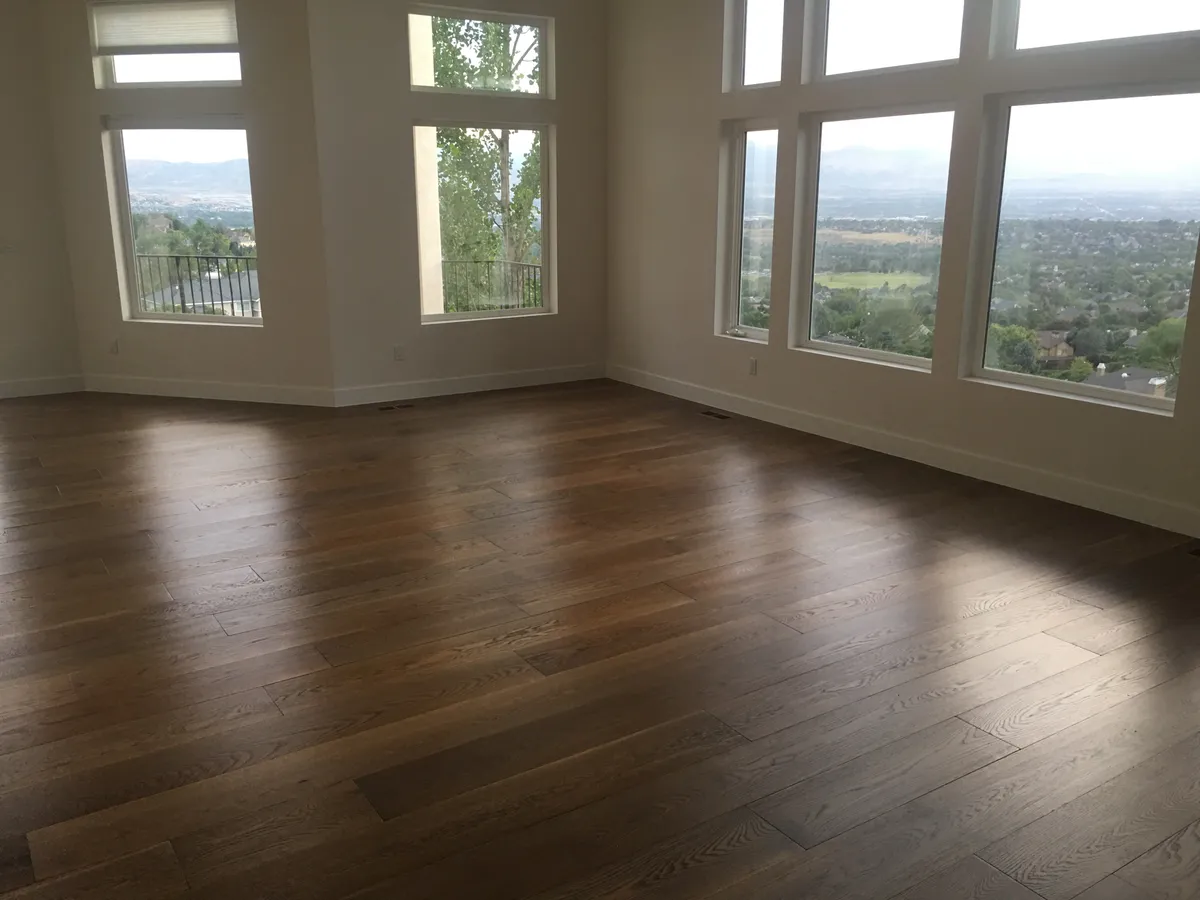
Hardwood flooring is still one of the strongest upgrades you can make in Utah.
The mistake is treating Utah like a generic flooring market. It is not.
Between dry winters, radiant heat, open-plan new builds, and older Salt Lake bungalows with character trim, the right hardwood plan depends on:
- how real wood behaves in dry air
- which rooms are worth the premium
- whether engineered hardwood or solid hardwood is the better fit
If you live anywhere from Salt Lake County to Utah County to the Wasatch Back, this is the decision framework that matters.
Quick Answer: Is Hardwood Flooring a Good Choice in Utah?
Yes, hardwood flooring can be a very good choice in Utah when the product, construction, room, and installation plan fit the house. The best results usually come from using hardwood in the visible rooms where it adds warmth and value, then choosing a more practical material in rooms with moisture or below-grade risk.
For most Utah homes, engineered hardwood is the safest starting point because it gives you real wood on the surface with better stability in dry indoor air. Solid hardwood can still make sense in the right main-level conditions, especially when long-term refinishing life matters.
If you are searching for wood flooring in Utah, the real decision is not just hardwood vs. something else. It is which rooms deserve real wood, which construction fits the home, and what finish will still look right in your actual light.
Why Hardwood Still Makes Sense in Utah
Even with the climate risk, hardwood keeps showing up in the best homes for a reason.
Done right, it adds:
- warmth
- material credibility buyers notice
- stronger resale perception than synthetic lookalikes
- a more finished feel in the rooms that matter most
For living rooms, dining areas, entries, stairs, and primary suites, hardwood still carries a premium that wood-look products do not fully replace.
The Climate Reality
Utah air is dry. Indoor winter air gets even drier once the heat is running.
That matters because wood moves with humidity. When the air dries out, boards shrink. When humidity comes back, boards expand.
So the real hardwood question in Utah is not “can I have hardwood?”
It is:
What type of hardwood and where?
Engineered vs. Solid
For most Utah homes, engineered hardwood is the smarter default.
Why?
- it handles seasonal movement better
- it works in more install situations
- it still gives you real wood on the floor
Solid hardwood still has its place, especially on stable main levels where the homeowner wants maximum refinish life. But once climate and installation realities enter the conversation, most Utah homeowners are better served by engineered hardwood.
If you want the deeper side-by-side version, read engineered vs. solid hardwood in Utah.
Where Hardwood Belongs
Hardwood tends to make the most sense in:
- living rooms
- dining rooms
- entries
- main-floor halls
- primary bedrooms
- stairs and landings when the material transition needs to feel intentional
These are the rooms where hardwood pays you back in how the home feels and how the house is perceived.
Where Hardwood Usually Does Not Belong
Utah homeowners get into trouble when they assume hardwood should go everywhere.
Hardwood is usually the wrong call for:
- basements
- full bathrooms
- laundry rooms
- rooms with meaningful standing-water risk
That does not make hardwood less valuable. It means the best Utah flooring projects are strategic, not automatic.
If you are solving a basement or moisture-prone area, start with the best flooring for Utah’s climate instead of assuming hardwood belongs there.
Species That Work Well Here
The hardwood looks that tend to work best in Utah are usually:
- white oak
- natural oak tones
- cleaner warm neutrals
- matte finishes
They fit both newer Utah interiors and older homes that need warmth without looking overly yellow or overly gray.
If you want a species-specific read, white oak flooring in Utah is worth your time.
Hardwood Installation Process in Utah Homes
A good hardwood project is not just product selection. The process determines whether the floor actually performs.
Here is the practical flow:
- Start with the rooms and goals. Decide where hardwood belongs and where another material may be smarter.
- Review samples in the home. Utah light, cabinet tone, wall color, and trim change how the floor reads.
- Check the installation conditions. Subfloor, stairs, transitions, moisture risk, and layout all affect the recommendation.
- Choose the construction. Engineered hardwood, solid hardwood, width, species, finish, and installation method should fit the house.
- Build a clear scope. The quote should show demo, prep, installation, trim, transitions, stairs, and any repair or finishing work.
That is why an in-home consultation usually beats showroom guessing. The right answer depends on the actual space.
Cost and Value
Hardwood is not the cheapest option, which is why room selection matters.
In many homes, the best hardwood strategy is:
- use hardwood where people see and feel it first
- use another product where durability or moisture matters more
That usually creates a better overall result than forcing hardwood into every room just because it sounds premium.
For current installed price ranges, see our Salt Lake cost guide.
Where Utah Homeowners Usually Get the Best Result
The strongest hardwood projects we see usually fall into one of these buckets:
- a Salt Lake County main-level refresh where the living room, kitchen perimeter, and stair run need to feel more elevated
- a Utah County open-plan home where engineered white oak ties together the main level
- a Park City or Wasatch Back home where natural oak tones need to work with mountain light and dry indoor air
If you are shopping by county, start here too:
- Salt Lake County flooring
- Utah County flooring
- Davis County flooring
- Weber County flooring
- Flooring guide for Salt Lake City homes
Hardwood Flooring Service Areas in Utah
Plank & Go helps homeowners compare hardwood and wood-look flooring options across the Wasatch Front and nearby mountain markets, including:
- Salt Lake County
- Utah County
- Davis County
- Weber County
- Summit County
- Wasatch County
The recommendation can change by market. A Salt Lake bungalow with existing hardwood, a newer Lehi main floor, a Davis County family home, and a Park City mountain property do not all need the same product or install plan.
The Utah Hardwood Mistakes to Avoid
The most common mistakes are:
- choosing solid hardwood without understanding seasonal movement
- using hardwood in wet or below-grade spaces
- picking the tone from a showroom board instead of in the actual house
- assuming the most expensive product is the best fit
A good hardwood project is not just about the species. It is about fit.
The Bottom Line
Hardwood flooring can work beautifully in Utah.
The best results usually come from:
- choosing engineered hardwood for most homes
- using it in the rooms where it matters most
- matching the floor to the actual house and the way the rooms get used
If you want to compare hardwood options in your space without guessing, we will bring curated samples to you and help you sort out what belongs where.
FAQ
What is the best hardwood flooring for Utah homes?
For many Utah homes, engineered hardwood is the best starting point because it handles seasonal movement better than solid hardwood while still giving you a real wood surface. Solid hardwood can still be a good fit on stable main levels where maximum refinishing life matters.
Is solid hardwood a bad idea in Utah?
No, but it needs the right conditions and expectations. Utah’s dry air can make seasonal movement more visible, so acclimation, humidity expectations, plank width, species, and installation details matter.
What rooms are best for hardwood flooring?
Hardwood usually belongs in visible, high-value spaces: entries, living rooms, dining rooms, main-floor halls, primary bedrooms, stairs, and open great rooms. It is usually not the first choice for bathrooms, laundry rooms, basements, or rooms with standing-water risk.
How much does hardwood flooring cost in Utah?
Cost depends on the product, square footage, demo, subfloor prep, stairs, transitions, trim, and installation method. For a realistic number, the project needs to be priced in the home rather than from a generic square-foot range.